How Long Does It Take to Close on a House?
The real 2026 numbers on closing timelines by loan type, and what actually makes a closing run long or short.
By Contract10 Content Team
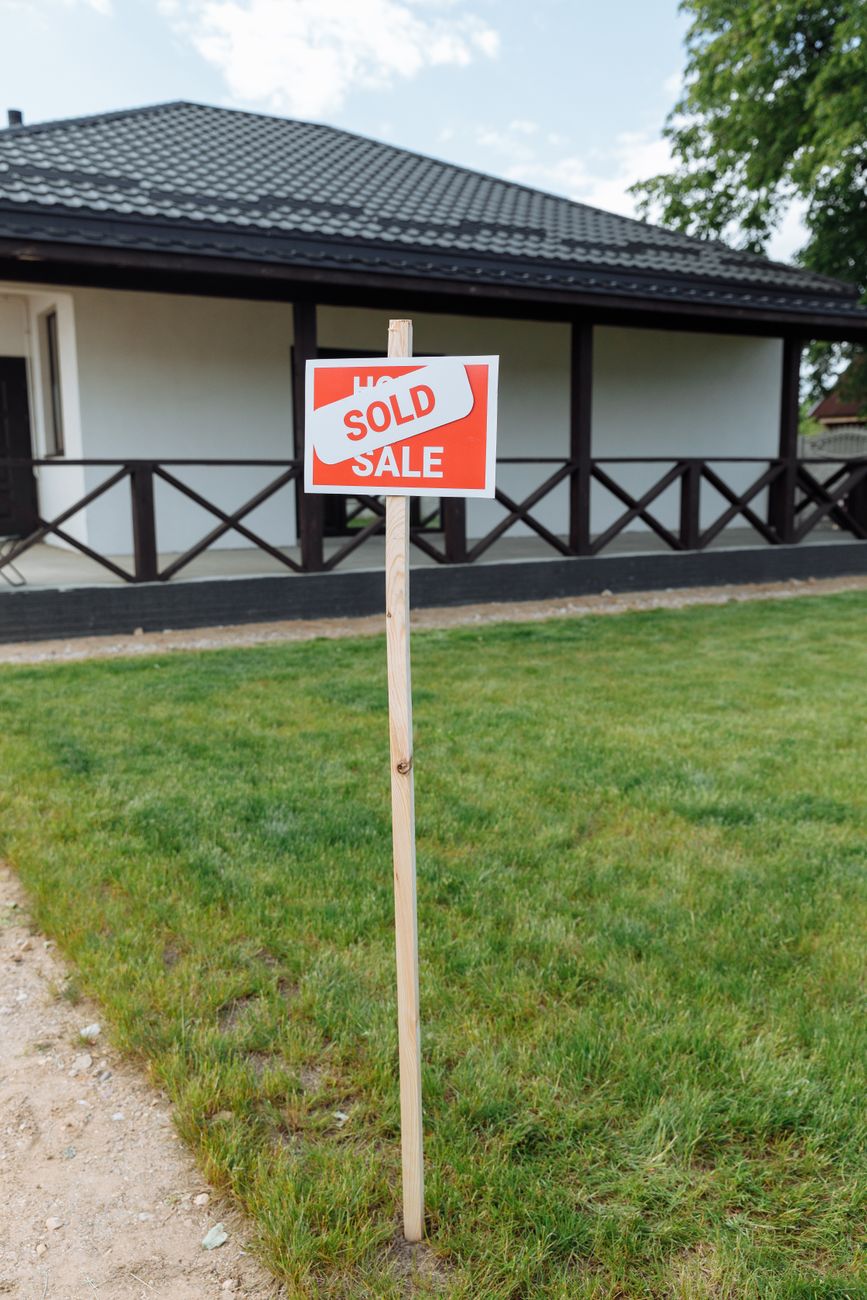
How long does it take to close on a house? For a purchase loan that closed in the last quarter of 2025, the average was 44 days from an accepted contract to the closing table, according to ICE Mortgage Technology's origination data. That is a national average across every loan type, every price range, and every state. Your own closing timeline can run a lot shorter, or a lot longer, depending on how you are financing the purchase, how complete your paperwork is on day one, and how fast the appraisal and title work come back.
A cash buyer can sometimes close in under two weeks. A conventional loan usually needs three to five weeks once you count the financing contingency, the appraisal contingency, and underwriting. FHA and VA loans often take longer still, because they carry extra property and appraisal requirements on top of everything a conventional loan already requires. The rest of this post breaks the closing timeline down by loan type and by stage, contract to close, so you know which number applies to your file, and why.
The short answer: it depends on how you are financing
There is no single days to close number that fits every deal, because the loan, or the lack of one, sets the floor. A cash deal skips mortgage underwriting entirely, so the closing timeline is set mostly by title work, any inspection period, and how quickly both sides can schedule signing. A financed deal adds a financing contingency, an appraisal contingency, and a formal underwriting review, each with its own days written into the contract. Business days and calendar days count differently too, which changes how a 30 day close actually lands on the calendar once weekends and holidays are factored in.
Conventional loans: the closing timeline baseline
A conventional loan, one not backed by a government agency, sits in the middle of the pack. Lenders typically ask for 30 days in the purchase contract, and that window is usually enough to cover loan application, appraisal, underwriting, and the final clear to close decision. The appraisal contingency alone commonly takes one to two weeks once the lender orders it, and underwriting can add another one to two weeks on top of that, especially if the underwriter comes back with conditions that need a document or an explanation. A clean file, one where income and assets are easy to document and the rate lock lines up with the schedule, tends to close closer to three weeks than five.
FHA and VA loans: why government-backed financing takes longer
Government-backed loans commonly take longer to close than conventional financing, sometimes exceeding 70 days when the file runs into trouble. Both FHA and VA loans add extra layers on top of a standard underwriting review. An FHA appraisal also checks the property for health and safety issues, not just value, and a VA loan requires an appraiser pulled from the VA's own approved list, plus a review against minimum property requirements the home has to meet. If the home needs repairs before the appraisal will pass, add another one to two weeks to get the work done and reinspected. On the other side of that same coin, a well-prepared, straightforward FHA or VA file, one with no repair items and a responsive lender, can move through underwriting almost as fast as a conventional loan does.
Cash offers: how fast a cash closing can move
Paying cash removes the two slowest pieces of a financed closing: the appraisal contingency and mortgage underwriting. What is left is title work, a payoff or lien search, and however long the parties agree to for an inspection period. A cash deal can close in as few as 21 days when the file is straightforward and well-prepared, the title comes back clean, and there is no extended inspection period built into the contract. Some cash deals close in under two weeks. The floor on a cash closing is usually set by how fast the title company can produce a clear title report, not by anything the buyer is doing.
Days to close, by the numbers
Here is how the numbers actually break down, drawn from ICE Mortgage Technology's loan origination data and general market commentary on FHA and VA files. ICE Mortgage Technology publishes purchase and refinance origination timing quarterly across the loans it processes.
- Average time to close a purchase loan, Q4 2025: 44 days (ICE Mortgage Technology)
- Average time to close a refinance, Q4 2025: 35 days (ICE Mortgage Technology)
- A straightforward, well-prepared file of any loan type: as few as 21 days
- FHA and VA loans, when complications come up: commonly 70 days or more
- A file with appraisal, underwriting, or title problems: 60 days or more
Contract to close: what happens at each stage
Every closing timeline moves through roughly the same stages, whether it takes three weeks or three months. First comes the financing contingency window, where the buyer locks in a loan and the lender orders the appraisal. Next comes the appraisal contingency, where the property has to appraise at or above the purchase price for the loan to keep moving. Underwriting runs alongside that or right after it, checking income, assets, and the title report line by line. Once the underwriter signs off, the lender issues the clear to close, usually about three business days before the actual closing, to satisfy federal disclosure timing rules. Only after clear to close does the closing itself get scheduled and the deed get recorded. A contract to close checklist that lists every one of these dates up front, instead of tracking them loosely in email, is the easiest way to see which stage is eating the calendar.
What actually slows a closing down
Picture a buyer under contract with a 30 day conventional close. In week two, the appraisal comes back five thousand dollars under the purchase price. That single event forces a week of renegotiation, seller concessions or a bigger down payment, before underwriting can even finish its review. A file that was tracking to close on day 28 instead closes on day 37. That is the pattern behind most late closings: it is rarely one huge problem, it is one ordinary delay that eats the buffer nobody built into the schedule. A missed contingency deadline later in the file makes the same math worse, because there is no buffer left to absorb it.
The national average to close a purchase loan is 44 days, but the file that actually closes on time is the one where every deadline, financing, appraisal, and inspection, is tracked and calculated correctly from day one, not the one with the shortest number written into the contract.
Loan officers who close a lot of purchase files put it simply: the file that closes fast is the file that comes in complete. A missing pay stub or an unsigned disclosure on day one costs more real time than almost anything that comes up later in underwriting.
Can you close on a house in less than 21 days?
Yes, but it usually takes a cash offer or a buyer who is already fully underwritten before the contract is signed. A well-prepared, straightforward file, clean title, no repair items, a responsive lender, can sometimes close in as few as 21 days. Financed deals rarely close much faster than that, because underwriting and the appraisal both need real calendar time to finish properly.
Why do FHA and VA loans take longer to close?
FHA and VA loans add layers a conventional loan does not carry. An FHA appraisal also checks the home for health and safety issues, and a VA loan requires an appraiser from the VA's own approved list plus a review against minimum property requirements. Any repair item found during that appraisal has to get fixed and reinspected before the file can reach clear to close, which is why these loans commonly run past 70 days when something needs attention.
What slows down a closing the most?
A low appraisal is the single most common cause of a real delay, since it can force a renegotiation of price or a bigger down payment before the loan can move forward. Underwriting conditions, extra documents the lender asks for after the first review, come second. Title problems, an old lien that needs a payoff letter or a name that does not match public records, come third.
What is the difference between clear to close and the actual closing day?
Clear to close means the underwriter has approved the loan file and there is nothing left outstanding. Federal disclosure rules generally require a three business day gap between clear to close and the actual closing, so the buyer has time to review the final loan terms before signing. The closing itself, where documents get signed and the deed gets recorded, happens after that waiting period ends.
See exactly how a closing timeline lands on your calendar, financing, appraisal, and inspection deadlines included, calculated from your own acceptance date.
Try the free calculatorNone of the timelines above are a guarantee for any specific file. Lenders, appraisers, and title companies each move at their own pace, and a single missing document can add a week regardless of loan type. This is general reference information, not legal or financial advice, always confirm your own dates against the actual closing timeline written into your contract.
This guide is general reference, not legal advice. To try it on a real contract, use the closing timeline calculator, or see how the same engine works from your own code or an AI agent.
More guides
Build a timeline, then build on it
Run your first contract free, then get an API key for your software or your AI agent, no card to start.